
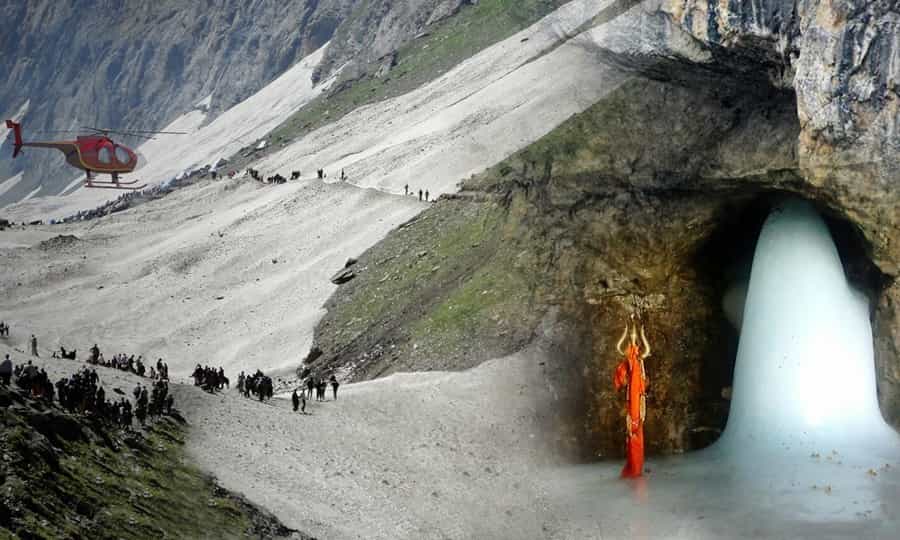
The Amarnath Yatra is one of the most significant and spiritually enriching pilgrimages in India. The sacred journey leads devotees to the Amarnath Cave Temple, located at an altitude of 3,880 meters in the Kashmir Himalayas. This pilgrimage, dedicated to Lord Shiva, involves a trek through the rugged mountains of Jammu and Kashmir, offering a unique blend of spirituality and nature’s beauty. The yatra, which typically takes place between July and August, is a sacred journey that attracts millions of devotees annually.
The Amarnath Cave is known for its naturally formed ice Shiva Lingam, which is a symbol of Lord Shiva’s divine presence. Devotees from all over India and abroad undertake this pilgrimage to witness the miraculous formation of the Shiva Lingam. The Amarnath Yatra is not just a physical journey; it is also a spiritual one, with every step being considered an offering to Lord Shiva. As one of the holiest places in Hinduism, the yatra holds immense religious significance. The pilgrimage provides an opportunity for spiritual cleansing and redemption, offering a sense of peace and divine connection for the devotees.
About the Amarnath Cave Temple:
Deity: The deity worshipped at the Amarnath Cave Temple is Lord Shiva. The highlight of the temple is the naturally formed ice Shiva Lingam, which is believed to represent Lord Shiva’s presence. Devotees believe that the Shiva Lingam has a divine power that purifies the soul and provides protection from all evils. The lingam grows and shrinks with the phases of the moon, adding to the temple’s mystique. The temple is considered one of the holiest shrines in Hinduism, drawing millions of pilgrims each year, especially during the Amarnath Yatra.
Location: The Amarnath Cave Temple is located in the picturesque region of Jammu and Kashmir, in the northern part of India. Situated at an altitude of 3,880 meters (12,756 feet) in the Himalayas, the cave is nestled in the foothills of the mountain ranges. It is located about 45 kilometres from the town of Pahalgam, and the only way to reach the cave is through a challenging trek that passes through steep mountains, valleys, and glaciers. The Amarnath Cave is surrounded by some of the most beautiful and serene landscapes, offering a breathtaking view of the snow-capped peaks and the vast expanses of natural beauty.
History: The history of the Amarnath Cave Temple is steeped in mythology and devotion. According to Hindu mythology, it is believed that Lord Shiva revealed the secret of immortality to Parvati at this very cave. The cave remained unknown to the public for centuries, with the first recorded discovery by a shepherd named Buta Malik in the 19th century. Since then, the cave has become a significant pilgrimage site for Hindus. The temple is mentioned in several ancient texts, including the Skanda Purana, which further emphasises its religious significance.
The Best Time to Visit:
The best time to visit the Amarnath Cave Temple is during the summer months, particularly from late June to August. This period coincides with the annual Amarnath Yatra, when the temple is open for pilgrims. During this time, the weather in Kashmir is cool and pleasant, making the trek more manageable. The ice Shiva Lingam is also fully formed during this period, and pilgrims can experience its full divine manifestation. However, the journey to Amarnath is challenging due to the high altitude, and visitors must be prepared for sudden changes in weather, including rain and snowfall at higher altitudes.
Amarnath Trek Distance:
The Amarnath trek varies between 36 km to 48 km, depending on the chosen route. The trek from Pahalgam is around 46 km, while the Baltal route is shorter at 14 km. Typically, the trek takes 72 to 120 hours, depending on the pilgrim’s pace. The routes are steep and can get crowded, especially with ponies. Both routes are well-supported with medical aid, rest stops, and food services provided by the Indian Army, state governments, and NGOs.
There are two main trek routes to reach the Amarnath cave:
Traditional Pahalgam Route for Trekking:
Although it is a less common and lengthier path, some tourists still choose it. The trek’s length ranges from 36 to 48 kilometres, and it typically takes three to five days to complete one way. Those who wish to pay their respects to the shrine can do so with no difficulty because it is softly sloping toward the level of the Baltal route. It is thought to have a steady rise over most of its length and is also known as a picturesque route.
Northern Baltal Trekking Route:
The Baltal route, covering approximately 14 km, is the shorter option, making it ideal if you’re pressed for time and looking for a direct path to the Amarnath Cave. However, be aware that this route is steeper and more strenuous, so it’s best suited for experienced trekkers. From there, you can either begin your trek or opt for a helicopter ride to reach the cave, depending on your preference and physical readiness for the pilgrimage.
Lesser-Known Facts:
- Shiva’s Secret: According to mythology, Lord Shiva chose this cave to reveal the secret of immortality to Parvati, making the location even more sacred.
- Moon Phases: The ice Shiva Lingam grows and shrinks with the phases of the moon, symbolising Lord Shiva’s cyclical nature.
- Spiritual Cleanse: The yatra is considered a spiritual cleanse, as pilgrims believe that visiting Amarnath can help rid them of past sins and bring peace.
- Divine Experience: It is said that the sound of Om can be heard in the vicinity of the temple, further enhancing the spiritual atmosphere of the pilgrimage.
Things to Do in the Amarnath Temple:
The Amarnath Yatra is not just about reaching the temple; it’s about experiencing the journey itself. While the trek to the Amarnath Cave is physically demanding, it is filled with divine experiences. Some of the key things to do at the Amarnath Temple include:
- Participate in Poojas and Sevas: The temple offers a variety of poojas and sevas, such as Rudra Pooja, Shivling Pooja, and Abhishekam. These rituals provide an opportunity for pilgrims to connect with Lord Shiva spiritually.
- Meditate in the Cave: The serene environment around the cave is perfect for meditation. Many pilgrims take the opportunity to sit in silence and connect with their inner selves.
- Treks and Scenic Views: The journey itself is an experience. Pilgrims can enjoy the majestic landscapes of the Kashmir Valley while trekking to the temple, surrounded by snow-capped mountains, lush valleys, and pristine rivers.
Amarnath Cave Temple Darshan Timings:
The Amarnath Cave Temple remains open for darshan (viewing of the Shiva Lingam) from early morning till evening, typically between 6:00 AM and 6:00 PM. However, the temple is closed for a short period each afternoon to conduct rituals. It is advisable to visit early in the morning to avoid the heavy crowds and long waiting times. The temple is open for darshan during the Amarnath Yatra period, which usually lasts for about two months, from late June to August. Pilgrims can experience the temple in a more peaceful atmosphere early in the morning.
Amarnath Cave Temple Dress Code:
While there is no strict dress code for pilgrims visiting the Amarnath Cave Temple, modest clothing is advised. Pilgrims should dress in simple, respectful attire, avoiding revealing clothes. The weather conditions can change dramatically at higher altitudes, so it is essential to wear warm clothing, especially if visiting during the colder months. Trekking shoes are a must for the challenging journey to the cave. Since the temple is a place of worship, pilgrims are expected to dress in a manner that reflects the sanctity of the location, covering their bodies appropriately.
How to Register for Amarnath Yatra 2025?
The Amarnath Yatra for the year 2025 is scheduled to open on July 3 and will remain open until August 9, 2025. Advance registrations for the yatra began on April 14, 2025, and pilgrims can complete the registration process online through the official Shri Amarnathji Shrine Board (SASB) website or by downloading the “Shri Amarnathji Yatra” mobile application. The entry fee to the temple is free.
Registration for the Amarnath Yatra 2025 is based on a first-come, first-served basis. To complete the registration, you will need to provide several documents, including the Yatra application form, a Compulsory Health Certificate (CHC), and any other required paperwork. The registration fee is ₹220 per pilgrim.
(Note: The yatra days and dates might vary sometimes due to natural calamities. Thus, it is important to be prepared for all circumstances and ready with precautions.)
Below are the step-by-step registration Process for a better understanding:
- Application Form and CHC:
To begin, fill out the Yatra application form. Along with this, it is mandatory to attach a Compulsory Health Certificate (CHC) issued by an authorised doctor or medical facility.
- Document Submission: Submit the required documents, including the CHC and proof of identity. These can be submitted either at designated bank branches or online.
- Online Registration: Visit the official JKSASB website and fill out the online registration form. Upload the necessary documents: the CHC (in PDF format) and a recent photograph (in JPEG/JPG format, ideally not exceeding 1MB).
- Group Registration: If you are travelling with a group, the SASB offers a group registration option. This has been available since 2014, allowing multiple pilgrims to register together in a streamlined process.
card.
(Note:)
- No pilgrim below 13 years of age or above 70 years of age, and no lady who is more than six weeks pregnant, will be allowed to register for the Yatra.
- Each Yatri must upload a clear scan of a valid CHC issued by an authorised doctor along with a recent passport-sized photograph.
Make sure to follow all the registration guidelines to ensure a smooth and safe pilgrimage experience.
Other Attractions Near Amarnath Temple:
There are various other attractions near the Amarnath temple. They are as follows:
- Martand SunTemple: Located just a day trip away from Pahalgam, the Martand Sun Temple is a historical marvel. This 8th-century temple is perched atop a plateau, offering a breathtaking panoramic view of the Kashmir Valley. The temple, known for its remarkable fusion of Gandharan, Gupta, and Chinese architectural styles, was once one of the grandest examples of Kashmiri architecture. Although the temple is in ruins, its striking design and historical significance make it a must-visit site. The entry fee is free.
- Mamleshwar Temple: Situated just a short 10-minute drive from Pahalgam, across the Lidder River, Mamleshwar Temple is a beautiful stone structure dating back to the 4th century. Surrounded by the magnificent Himalayas, the temple features a peaceful pond with an ancient pedestal and Shivling. This serene spot offers visitors a calm atmosphere for meditation and reflection, combined with a deep connection to the region’s history.
- Chandanwari: Known as the starting point of the Amarnath Yatra, Chandanwari holds significant religious importance. Beyond its spiritual significance, the site offers a stunning landscape that captivates visitors with its picturesque views. The area is a perfect spot for those seeking to experience the natural beauty of Kashmir, making it an essential stop for pilgrims before embarking on the challenging journey to the Amarnath Cave Temple.
- Tulian Lake: Nestled between the Pir Panjal and Zanskar mountain ranges, Tulian Lake is a stunning tourist spot located in Pahalgam. The lake is known for its vivid blue waters and can be reached via a scenic two-day hike. The trek to Tulian Lake is a memorable adventure, offering trekkers a chance to experience the raw beauty of the Kashmir region while also allowing time for peaceful contemplation by the lake.
- Sheshnag Lake: Lake holds a significant place on the traditional route to Amarnath. It is surrounded by snow-capped peaks, adding to its natural allure. According to Hindu mythology, it is believed that the serpent king, Sheshnag, created Sheshnag Lake. Pilgrims often camp by its emerald waters, taking time to rest and rejuvenate before continuing their journey to the Amarnath Cave. The peaceful setting and mystical surroundings make it an essential spot for all Amarnath travellers.
- Pissu Top: Located on the path leading to the Amarnath Cave, Pissu Top is a hilltop offering exceptional panoramic views of the surrounding mountains and valleys. The top is steeped in mythological significance, believed to be the site of a battle between gods and demons, where the bodies of defeated demons formed the hill. This historic and spiritual location is a common rest stop for pilgrims during the Amarnath Yatra and is an ideal spot for photographers and nature lovers alike.
Places to Eat Near the Amarnath Cave Temple:
Why miss the culinary experiences when in the Amarnath temple? Try the food at these places positively.
- Langar for Amarnath Yatris: Numerous NGOs and societies provide free meals, water, and refreshments to pilgrims during the Amarnath Yatra. These langars are set up at several points along the route and are an essential part of the yatra experience. The langar food, served with love and devotion, helps sustain pilgrims throughout their journey.
- Shree Ganesh Vaishno Dhaba, Pahalgam: Located on Chandanwari Road, this humble dhaba is famous for its signature dish, Chaman Paneer. Made from cottage cheese cooked in a thick tomato sauce with spices, Chaman Paneer is a must-try. The dhaba serves as a refreshing stop for pilgrims travelling to the Amarnath Temple.
- Mettu Pahalgam Delight, Pahalgam: A favourite among vegetarians, Mettu Pahalgam Delight offers a wide range of traditional Kashmiri comfort food. The Ladakhi Pulao is particularly popular here. Made with dried fruits, nuts, and mild spices, this pulao has a distinct fragrance and taste that will leave you craving more. The subtle flavour complements the vegetarian main dishes perfectly.
- Sheshnag Lake View Restaurant: Situated near the serene Sheshnag Lake, this restaurant caters to pilgrims and travellers looking for vegetarian meals. The Kashmiri Saag, made with handpicked leafy greens, is a delicately flavoured dish known for its comforting and nutritious qualities. The peaceful location by the lake makes it a wonderful place to relax and enjoy a meal during the pilgrimage.
- Prem Vaishno Dhaba: Located near the helipad, Prem Vaishno Dhaba is a popular stop for hungry pilgrims before and after their darshan. Gobhi Aloo, a flavorful dish made with cauliflower and potatoes, is one of the highlights of this dhaba. The food here provides much-needed energy to continue the journey and is a favourite among travellers.
- Krishna Vaishno Dhaba: Famous for its Rajma Daal, Krishna Vaishno Dhaba serves a satisfying meal that attracts pilgrims and visitors alike. The Rajma Daal is a hearty and flavorful dish, often served with simple rice or hot parathas. The dhaba also offers other vegetarian delights, making it a great spot to recharge after a long day of trekking.
Additional Eating Options: There are numerous tea stalls and small eateries along the trek route. These establishments serve hot tea, snacks, and light meals to pilgrims. Trekkers should carry snacks such as energy bars, dried fruits, glucose biscuits, and dark chocolate to maintain their energy levels during the strenuous journey.
How to Reach the Amarnath Temple?
By Road: While Amarnath Temple is not directly accessible by road due to its challenging terrain, pilgrims can easily reach the starting points of the yatra, Baltal or Pahalgam, by road. You can hire a cab service from nearby airports or railway stations to these base camps. The road trip from Jammu to Pahalgam or Baltal is comfortable, offering a smooth and convenient journey, allowing pilgrims to begin their spiritual journey with ease.
By Train: Amarnath does not have a direct railway connection. The nearest major railway station is in Jammu, which is about 178 kilometres away from the temple. From Jammu, pilgrims can take a cab service to reach the base camps at Baltal or Pahalgam. From Baltal, pilgrims will undertake a 15-kilometre trek to the Amarnath Cave Temple, which typically takes 1-2 days. Although the trek is physically demanding, it provides a transformative spiritual experience.
By Flight: The closest airport to Amarnath Temple is Srinagar International Airport (SXR), located about 70 kilometres from Pahalgam. Upon arriving in Srinagar, you can easily book an ECO Mobility cab to take you directly to your accommodation near the base camp. This offers a comfortable and convenient way to travel, allowing you to rest before embarking on your trek to the Amarnath Cave Temple the following day. The journey from Srinagar to Pahalgam is hassle-free, ensuring a smooth start to your pilgrimage.
Helicopter Services for Amarnath Yatra:
To make the pilgrimage more accessible, helicopter services are available between Baltal and Pahalgam, taking pilgrims to Panjtarni, which is situated 6 km from the Vaishno Devi area. This service is particularly beneficial for elderly pilgrims or those with mobility issues, as the trek to the Amarnath Cave can be physically demanding.
- Helipad Locations: Helicopters operate from both Baltal and Pahalgam to transport pilgrims to Panjtarni.
- Booking Process: Booking helicopter tickets for the Amarnath Yatra is generally hassle-free, but it is advisable to make reservations in advance, especially during the peak yatra season. Booking can be done easily without needing to go through an insurance company, and payments can be made using a debit or credit card. Each cardholder can make up to five bookings.
- Compulsory Health Certificate (CHC): All pilgrims must obtain a Compulsory Health Certificate (CHC) issued by an authorised medical professional or institution recognised by the SASB to be eligible for the helicopter service.
- Journey to the Cave: After reaching Panjtarni by helicopter, pilgrims are required to trek a 6 km path to the Amarnath Cave. Although this trek is shorter compared to other routes, pilgrims should still be mindful of the challenging altitude and weather conditions. It is important to be physically prepared for this portion of the journey, as the high altitude may lead to discomfort for some.
The helicopter service offers a convenient and scenic way to complete the Amarnath Yatra, making it accessible to those who might otherwise face difficulties during the traditional trek.
How to Plan a Trip to the Amarnath Temple:
Planning a trip to the Amarnath Temple requires careful preparation. Key steps include:
- Registering for the Yatra: Pilgrims must register online or offline and obtain a health certificate before embarking on the journey.
- Packing Essentials: Carry warm clothing, trekking shoes, food, and medical supplies.
- Health Check: Ensure you are physically fit for the trek and consult a doctor if necessary.
- Booking Accommodation: It is advisable to book accommodations at Pahalgam or Baltal in advance.
- Choosing the Right Route: Decide whether you want to trek or take a helicopter ride to the temple.
Hotels and Resorts Near Amarnath Cave Temple:
- Pahalgam Hotel: Offers comfortable stay options with a scenic view of the valley.
- Baltal Guesthouses: Budget-friendly accommodations near the base camp.
- Lalit Grand Palace Srinagar: A luxury hotel with high-end services and beautiful surroundings.
- Jammu Ashok Hotel: Provides excellent amenities and comfort before the yatra starts.
- Kashmir Valley Resort: Located in Pahalgam, it offers modern facilities with a traditional touch.
Nearby Road Trips to Take from Amarnath Temple:
- Sonamarg to Leh: A scenic road trip through rugged terrains and beautiful landscapes.
- Srinagar to Gulmarg: Known for its natural beauty, this road trip takes you through beautiful valleys.
- Pahalgam to Aru Valley: A picturesque road trip that offers stunning views of the surrounding mountains.
- Srinagar to Zanskar Valley: A less-explored but beautiful road trip, offering a glimpse into rural life and stunning landscapes.
Safety Measures and Support Services for Amarnath Yatra
- Medical Aid Centres (MACs): Strategically located along the route to provide initial medical care and emergency treatment, while Emergency Aid Centres (EACs) are equipped with medical personnel for critical needs and evacuations.
- Transportation facilities: Organised by the Jammu and Kashmir State Road Transport Corporation, offering buses from Jammu to Pahalgam and Baltal, ensuring smooth and convenient access to base camps.
- Mobile connectivity: Provided by BSNL, with coverage along most of the Yatra route. Pilgrims can also purchase a Yatra SIM for ₹230, ensuring continuous communication during the trek.
- Fitness preparation: Essential for tackling the trek; it’s recommended to walk 4-5 km daily and practice breathing exercises to help adjust to the high-altitude terrain.
- Hydration: Crucial throughout the journey, especially at higher altitudes, to avoid fatigue. Carry ample water and energy-boosting snacks to stay energised.
- Altitude sickness: Common at high elevations, so if symptoms like headache, dizziness, or nausea occur, it’s important to descend immediately and seek medical attention.
- Avoid alcohol and caffeine: During the trek, avoid consuming them as these substances can make the journey more challenging and should be refrained from throughout the Yatra.
- Medical check: Pilgrims must bring a Compulsory Health Certificate (CHC) and a valid photo ID, which are mandatory for registration and participation in the Yatra.
The Amarnath Yatra is a deeply spiritual and transformative journey that offers devotees the opportunity to seek blessings from Lord Shiva at the revered Amarnath Cave Temple. With proper planning, registration, and adherence to health and safety protocols, pilgrims can embark on this sacred trek with peace of mind. Whether you choose to trek, take a helicopter ride, or travel by road, the experience promises to be enriching. The journey through the majestic Kashmir Valley, combined with the divine presence of the ice Shiva Lingam, makes the Amarnath Yatra an unforgettable pilgrimage for devotees across the world.