






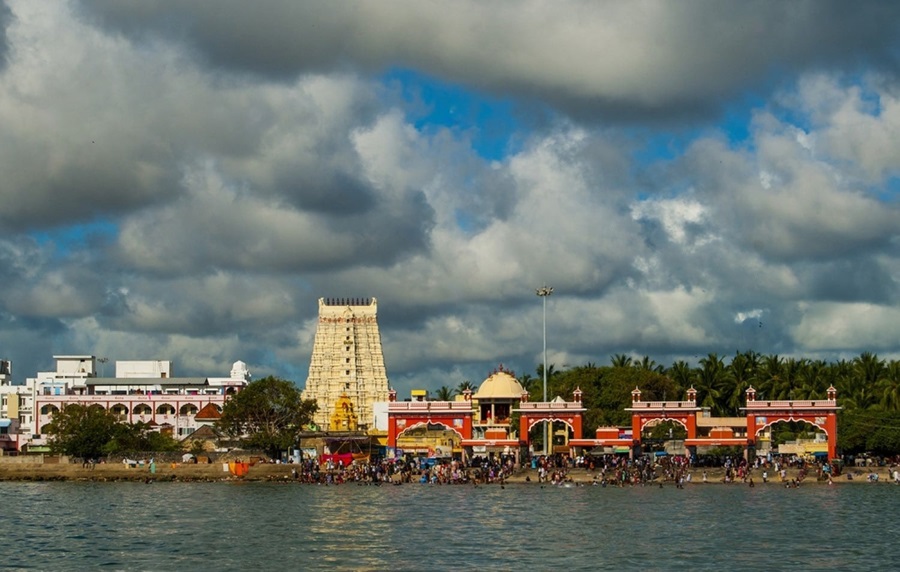
Rameshwaram is not only one of the holiest towns in India but also home to the majestic Rameshwaram Temple, a spiritual and architectural marvel. Situated on the Pamban Island in Tamil Nadu, this ancient temple attracts millions of devotees every year, who come here seeking blessings, solace, and an opportunity to witness the grandeur of a traditional South Indian temple.
About Rameshwaram Temple:
The Rameshwaram Temple, dedicated to Lord Shiva, is one of the twelve Jyotirlingas, the holiest shrines of Shiva across India. This sacred temple is a popular pilgrimage site, drawing Hindu devotees from around the world. The temple is intricately designed with towering spires, vast courtyards, and stunning sculptures that showcase the richness of Dravidian architecture. It is not only revered for its spiritual significance but also for its cultural heritage, making it an essential destination for any visitor to the region.
Deity: The primary deity of the Rameshwaram Temple is Lord Shiva, worshipped here as the presiding deity known as “Ramanatha Swamy” or “Rameshwarar.” It is believed that Lord Rama, the hero of the Ramayana, installed the Shiva Lingam at this site to atone for the sin of killing Ravana, a Brahmin. According to Hindu beliefs, performing rituals here absolves one’s sins and brings peace of mind. Along with Lord Shiva, Lord Vishnu is also worshipped in the temple complex. Many pilgrims perform rituals and offer prayers to both deities, seeking spiritual relief and blessings for peace and prosperity.
Location: Rameshwaram is situated on Pamban Island, which is part of the Tamil Nadu state in southern India. The island is located in the Gulf of Mannar, with the Pamban Bridge connecting it to the mainland. The temple itself is located near the shore, offering a tranquil atmosphere for visitors who come here for spiritual enlightenment. The scenic beauty surrounding the temple adds to the overall experience, making it an excellent place for reflection and relaxation.
History: The history of Rameshwaram Temple dates back to the times of the epic Ramayana, with legends indicating that Lord Rama himself originally built it. Over the centuries, the temple has undergone various renovations and expansions under different rulers, including the Chola and Pandya dynasties. Its current structure primarily reflects Dravidian architecture, with intricate carvings, massive gopurams (gateway towers), and expansive corridors that date back to the 12th century.
Rameshwaram has also been a center of Hindu philosophy, education, and culture for centuries. Many scholars and philosophers, such as the great Tamil poet and saint, Ramanuja, have contributed to the temple’s rich history. Despite the passage of time, the temple has retained its spiritual significance and continues to be a focal point for devotees seeking divine intervention.
Best Time to Visit Rameshwaram:
Rameshwaram is a year-round destination, but the best time to visit the Rameshwaram Temple is during the winter months (October to April), when the weather is cooler and more pleasant. The temperature ranges between 20°C to 30°C, making it ideal for temple visits and sightseeing. During this time, the chances of rainfall are minimal, ensuring that your pilgrimage is uninterrupted.
Summer (May to June):
The summer months can get extremely hot, with temperatures rising above 35°C. While you can still visit during this time, it is advisable to take precautions against the heat. Carry sufficient water, wear light and breathable clothing, and avoid direct exposure to the sun.
Monsoon (July to September):
The monsoon season brings heavy rainfall, especially during the peak months of July and August. Although the temple remains open during this period, the weather may not be ideal for travel and outdoor activities. However, this is also a time when the temple experiences fewer crowds so it could be an opportunity for a quieter visit.
Winter (October to March):
The winter season is the most popular time to visit the temple. With cooler temperatures and clear skies, this is the best time for temple visits and enjoying the surrounding beauty. It is also during the winter months that many devotees flock to the temple for religious festivals and special events.
Interesting Facts About Rameshwaram Temple:
- Massive Corridors: The Rameshwaram Temple features one of the longest corridors in India, extending over 4000 feet.
- The 22 Wells: The temple has 22 wells, each with water that is believed to have special medicinal properties. Devotees bathe in these wells before entering the main sanctum to purify themselves.
- Architectural Marvel: The temple’s architecture is an excellent example of Dravidian style, showcasing a unique blend of traditional and artistic designs, including hundreds of intricately carved pillars.
- The Ramanatha Swamy Lingam: The sacred “Ramanatha Swamy” idol is said to have been brought from Lanka by Lord Rama after his victory over Ravana.
- Sacred Waters: The temple also houses a unique shrine dedicated to Lord Vishnu, reflecting the close ties between the two deities in the region.
Rameshwaram Temple Darshan Timings:
The temple remains open for devotees every day, with different timings for darshan (the act of seeing the deity) and rituals. Here are the key timings for Rameshwaram Temple:
- Morning Darshan: 5:00 AM to 1:00 PM
- Evening Darshan: 3:00 PM to 9:00 PM
During special occasions and festivals, the temple may have extended hours for darshan. It is recommended to check the temple’s official schedule before planning your visit.
Rameshwaram Temple Dress Code:
As with many Indian temples, there is a strict dress code that visitors must adhere to when entering the Rameshwaram Temple. This is to maintain the sanctity and respect of the holy place.
- For Men: Men are expected to wear traditional dhotis or lungis. Shirts and pants are generally not allowed.
- For Women: Women should wear sarees or salwar kameez. It is recommended to avoid wearing dresses, skirts, or shorts.
- Footwear: Footwear is not allowed inside the temple premises. Devotees must leave their shoes in the designated areas outside the temple.
Seva and Pooja at Rameshwaram Temple:
The Rameshwaram Temple offers a variety of sevas (services) and poojas (rituals) that devotees can participate in. Some of the popular rituals include:
- Abhishekam: This involves the ceremonial bathing of the Shiva Lingam with milk, honey, water, and other sacred substances.
- Rudrabhishekam: A special pooja to seek the blessings of Lord Shiva.
- Archana: A simple prayer offering where devotees recite mantras and prayers to the deity.
- Kumkum Archana: A special pooja for women, often conducted for their well-being.
There are also special sevas for those seeking divine intervention for various purposes, including health, wealth, and prosperity.
Rameshwaram Temple Entry Fee and Pooja Charges:
While entry to the Rameshwaram Temple is free, there are charges for performing specific poojas and sevas. The charges vary depending on the type of pooja or seva you wish to undertake. For example:
- Basic Pooja:
- Rudrabhishekam:
- Abhishekam (for the Lingam):
It is always a good idea to check with the temple authorities regarding the exact fees for the sevas and poojas before your visit.
Rameshwaram Temple Festivals:
Rameshwaram Temple hosts several essential festivals throughout the year. Some of the most notable ones include:
- Maha Shivaratri: A grand celebration held in honor of Lord Shiva, featuring night-long prayers, chants, and rituals.
- Navratri: A 9-day festival dedicated to the worship of Goddess Durga, which attracts thousands of devotees.
- Ramanavami: Celebrating the birth of Lord Rama, this festival sees special poojas and processions within the temple.
- Kartika Deepam: A festival of lights where the temple is beautifully illuminated with thousands of oil lamps.
- Arudra Darshanam: A significant event for Shaivites, celebrating the cosmic dance of Lord Shiva.
These festivals bring the temple to life with vibrant celebrations, traditional music, dance performances, and an influx of devotees.
Other Attractions Near Rameshwaram Temple:
Rameshwaram is not only home to a spiritual landmark but also features other fascinating attractions. Some of these include:
- Dhanushkodi: A ghost town and a popular tourist destination for its picturesque beaches and historical ruins.
- Pamban Bridge: An engineering marvel that connects Rameshwaram Island to the mainland, offering stunning views of the sea.
- Gulf of Mannar Marine National Park: A marine sanctuary where visitors can explore diverse marine life through boat rides.
- Rama Tirtham: A serene pond believed to be the place where Lord Rama bathed during his journey to Lanka.
- Agnitheertham: A sacred beach where devotees perform rituals and take holy dips.
- Dhanushkodi: The ghost town at the southeastern tip of the island, known for its tragic history and scenic beauty.
- Gandhamadhana Parvatham: A hillock with a shrine dedicated to Lord Rama’s footprints.
- Kothandaramaswamy Temple: Located near Dhanushkodi, this temple is associated with the Ramayana legend.
Places to Visit Near Rameshwaram Temple:
Besides the temple itself, Rameshwaram has many attractions that make it an excellent destination for history and nature enthusiasts. Some key places to explore include:
- Ramanathaswamy Temple: A must-visit, this temple is dedicated to Lord Rama.
- Erwadi: A tranquil spot known for its Islamic shrine and peaceful atmosphere.
- Devipattanam: Known for the Devi Patan Temple, this place is famous for its religious importance.
- Pamban Bridge: An engineering marvel connecting Rameshwaram to the mainland.
- Five-Faced Hanuman Temple: A unique shrine dedicated to Hanuman with a five-faced idol.
- Jada Tirtham: A sacred pond believed to have been created by Lord Rama.
- Kurusadai Island: A marine biosphere reserve ideal for nature lovers and bird watchers.
Read More: Yelagiri Hills: All You Need To Know Before You Go
Places to Eat Near Rameshwaram Temple:
Rameshwaram has several places offering delicious South Indian cuisine. Some popular eateries near the temple include:
- Dhanushkodi Beach Restaurant: Enjoy coastal delicacies with a view of the ocean.
- Hotel Vinayaga: A popular place offering South Indian thalis and vegetarian food.
- Agni Nadi Restaurant: Known for its vegetarian menu and simple, yet tasty meals.
- Sri Murugan Mess: Popular for traditional South Indian meals and tiffin items.
- Mr. Fish: Renowned for its fresh seafood dishes.
- Gujarat Bhavan: Offers vegetarian meals and snacks.
- AHAAN: A well-rated restaurant serving Indian and international cuisine.
- Hutoxi Tavadia: Known for its clean environment and delicious food.
How to Plan a Trip to Rameshwaram Temple?
Planning a trip to Rameshwaram involves arranging transportation, accommodation, and an itinerary for sightseeing. It is best to stay for 2-3 days to experience the temple and nearby attractions fully. Make sure to book hotels and resorts in advance, especially during peak season.
How to Reach by Road:
Rameshwaram is well-connected by road to major cities like Madurai, Trichy, and Chennai. Regular bus services, private taxis, and rental cars are available from nearby towns. The road trip to Rameshwaram is scenic, offering views of lush greenery and the coastal landscape.
How to Reach by Flight:
The nearest airport to Rameshwaram is Madurai International Airport (around 175 km away). From there, you can hire a taxi or take a bus to reach Rameshwaram. The airport is well-connected to major cities across India.
How to Reach by Train:
Rameshwaram has its railway station, well connected to cities like Chennai, Madurai, and Trichy. Trains to Rameshwaram are regular and comfortable, making it a convenient mode of transportation for devotees.
Hotels and Resorts Near Rameshwaram Temple:
Several hotels and resorts cater to the needs of pilgrims visiting the Rameshwaram Temple. Some popular options include:
- Hotel Jaya Ram– A budget hotel close to the temple.
- The Dhanushkodi Beach Resort offers a more luxurious stay with beautiful views of the sea.
- Rameshwaram Residency– An ideal stay for those looking for comfort and convenience.
Nearby Roadtrips from Rameshwaram:
Rameshwaram is an excellent starting point for exploring nearby towns and attractions. You can plan road trips to places like:
- Dhanushkodi– Explore the ruins and beaches.
- Munnar– A hill station known for tea plantations and scenic landscapes.
- Madurai is famous for the Meenakshi Amman Temple, located about 175 kilometres away.
- Kanyakumari: The southernmost tip of India, known for its sunrise and sunset views.
- Tuticorin: A port city with beautiful beaches and historical sites.
- Trichy (Tiruchirappalli): Renowned for the Rockfort Temple and Srirangam Temple.
Rameshwaram Temple is a genuinely spiritual and serene destination, offering both historical significance and breathtaking natural beauty. With its deep connection to Hindu mythology, vibrant festivals, and picturesque surroundings, it remains one of India’s most beloved pilgrimage sites. Whether you’re coming for religious reasons or to experience its charm, Rameshwaram offers a unique and unforgettable experience for all.